A child’s room often turns into a study station by default. Desk, chair, lamp, and a stack of books, with every other corner reserved for storage. That setup gets the work done, but it leaves no space for the part of the evening that is not about finishing assignments. A small screen corner gives the room a second job, one that has nothing to do with performance and everything to do with winding down.
Why the room needs a downtime zone
Children feel the pressure of a room built only for tasks. When every surface is about what they should be doing next, the space stops feeling like theirs. A downtime corner flips that. It is a spot where the expectation drops, where the screen shows a story instead of a lesson, and where the day can finally slow. The point is not the device. The point is giving the room a reason to be a place to be, not only a place to do.
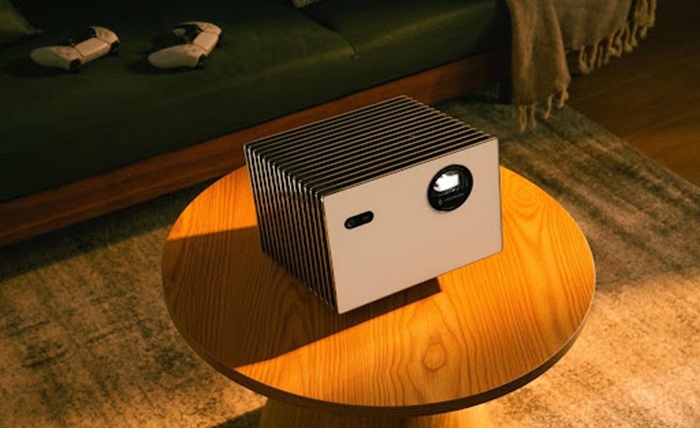
Keep it simple and low to the ground. A cushion, a blanket, and a clear wall are enough. A Valerion 4K projectors sits on a dresser or shelf and throws a bright picture across that wall, so the corner becomes a tiny cinema without taking over the desk. The image is large enough to feel like an event and small enough to tuck away when the room needs to be a room again.
Pick what plays with the child, not at them
The screen corner works best when the content is shared, not solitary. A family film, a nature documentary, or a gentle cartoon watched together turns the corner into a connection point instead of a babysitter. Let the child help choose, within a short list you both trust, so the control stays with them in a small, safe way. The habit of deciding what to watch together is its own quiet lesson in taste and balance.
A matte white projector screen gives that picture an even, calm surface that reads well from any angle in the room, and it folds away when the night is done. The corner returns to normal by morning, which keeps the downtime feeling like a treat instead of a permanent fixture the child stops noticing. Setup and takedown are part of the ritual, and rituals are what make a corner feel special.
Set the boundaries that make it healthy
The screen corner needs rules, but the rules should serve the calm, not police it. A set end time, a no phones during film rule, and a agreement that the desk stays a desk keep the two zones distinct. When the screen lives only in its corner and only for a set window, the child learns the difference between a tool and a timer they cannot stop. That distinction matters more than any single show they watch.
Keep the lighting soft and the seating real. A floor cushion beats a hard chair for this corner, because the body should know it is off duty. The room signals rest through comfort, not through another instruction. A child who associates the corner with slowing down will return to it on their own, which is the whole goal of building it in the first place.
Let the child help shape the corner
A corner the child helps build is a corner the child returns to. Let them pick the cushion, choose where the blanket lives, or decide which wall gets the picture. Ownership turns a parent’s idea into the child’s own space, and a space they shaped feels different from one handed to them. The screen is only part of it. The choice, the arrangement, and the small rituals around it are what make the corner theirs.
Keep the changes cheap and reversible so the corner can shift as tastes do. A different cushion for a new favorite film, a moved lamp for a longer evening, a fresh rule when the old one stops fitting. The child learns that the space bends to them rather than locking them into one version of the room. That flexibility is the reason the corner stays useful long after the first cartoon they watched there has been forgotten.
Let the corner grow with them
What plays in the corner will change as the child does. Tonight it is a cartoon, next year a documentary, later a film they want to show you. The space stays useful because the screen moves with the moment instead of locking the room into one age. A setup that packs away and comes back out is easier to keep current than one bolted into the wall, and easier to hand down when the room becomes someone else’s.
You do not need a second television or a permanent theater to give a child a place to land. You need a clear wall, a comfortable spot, and a boundary that keeps the downtime real. Build that corner once, and the room finally offers the child something the desk never could, which is a reason to simply be there.