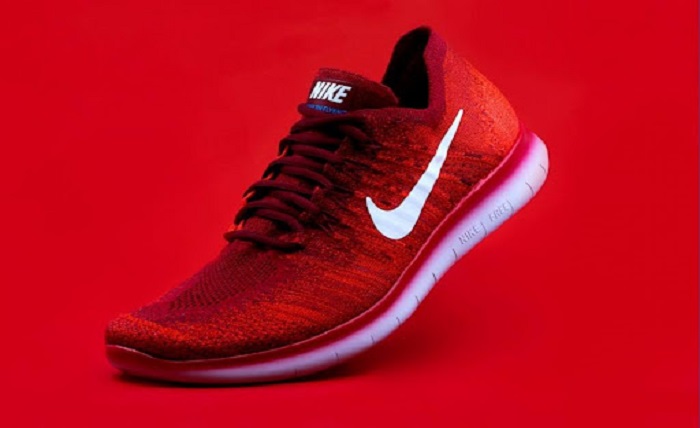
Footwear has always been more than functional—it’s a canvas for self-expression, status, and cultural identity. In recent years, size 15 men’s shoes have emerged as an unexpected focal point in entertainment, worn by musicians and actors who’ve turned what was once a niche sizing challenge into a symbol of confidence and style. From stadium stages to red carpet premieres, these oversized sneakers and dress shoes are reshaping how we think about fashion at the extremes of the size spectrum.
This shift reflects broader changes in how the industry approaches inclusivity and representation. As more performers with larger feet step into the spotlight, they’re not just finding shoes that fit—they’re influencing sneaker culture, challenging design conventions, and proving that style has no size limit.
Musicians Who Made Size 15 Part of Their Brand
The music world has long been a laboratory for fashion experimentation, and several high-profile artists have brought size 15 footwear into the conversation. Shaquille O’Neal, who built a second career in music alongside his basketball legacy, became one of the most visible advocates for larger shoe sizes. His crossover appeal helped normalize the idea that performance footwear could be both functional and fashionable, regardless of size.
André 3000 of OutKast took a different approach, incorporating size 15 sneakers into his eclectic, boundary-pushing aesthetic. His willingness to experiment with silhouettes and proportions demonstrated that larger shoes could enhance rather than limit creative expression. These artists didn’t just wear big shoes—they made them integral to their visual identity.
For performers who spend hours on stage, proper fit isn’t negotiable. According to the American Orthopaedic Foot & Ankle Society, poorly fitted shoes can lead to chronic pain, reduced mobility, and long-term foot problems. When you’re commanding a crowd of thousands, the last thing you need is footwear that compromises your performance or health.
The Cinematic Footprint of Size 15 Sneakers
Film has always reflected and amplified cultural trends, and size 15 men’s sneakers have carved out their own niche in cinematic storytelling. Characters who wear these shoes often embody physical presence, athleticism, or a distinctive personal style that sets them apart. LeBron James, who has appeared in films like Trainwreck and Space Jam: A New Legacy, brought his signature size 15 footwear to the screen, blending his athletic identity with his acting roles.
The visual impact of larger shoes in film shouldn’t be underestimated. Costume designers and directors use footwear to communicate character traits—confidence, power, or even vulnerability. When an actor wears size 15 sneakers, it becomes part of the character’s physical vocabulary, influencing how audiences perceive their presence and movement.
Research published in Applied Sciences has shown that properly fitted athletic footwear significantly reduces injury risk during physical activity. For actors performing stunts or spending long days on set, this isn’t just about comfort—it’s about maintaining the physical capability to do their jobs safely and effectively.
Styling Strategies for Size 15 Running Sneakers
Wearing size 15 shoes doesn’t mean sacrificing style for function. With thoughtful pairing and attention to proportion, larger sneakers can anchor a variety of looks:
- Streetwear Foundation: Pair chunky size 15 sneakers with tapered joggers or slim-fit jeans to balance proportions. Oversized hoodies or graphic tees complete the urban aesthetic without overwhelming the silhouette.
- Athletic Minimalism: Match technical running shoes with performance shorts and moisture-wicking tops. The key is letting the shoes be the statement piece while keeping everything else streamlined.
- Elevated Casual: Combine clean white sneakers with dark chinos and a structured button-down. This approach works particularly well for size 15 wearers because it creates visual continuity from head to toe.
- Monochromatic Cohesion: Dressing in a single color family helps larger shoes feel integrated rather than disproportionate. Black-on-black or tonal earth tones create a sophisticated, intentional look.
The challenge with larger footwear is avoiding the appearance of being “bottom-heavy.” GQ’s styling guides consistently emphasize the importance of proportion—when your shoes are substantial, your upper body should have enough visual weight to maintain balance. This might mean choosing structured jackets over loose cardigans, or opting for bold patterns that draw the eye upward.
The Fit Imperative: Why Size Matters More Than You Think
Finding properly fitted size 15 shoes remains a persistent challenge, despite growing awareness and improved availability. The stakes are higher than aesthetics—chronic poor fit can lead to bunions, hammertoes, plantar fasciitis, and other debilitating conditions.
Key considerations when shopping for size 15 footwear:
- Measure Both Feet: Foot size can change over time and often varies between left and right. Always measure before purchasing, especially when buying online.
- Width Matters as Much as Length: Size 15 feet often requires wider widths (2E, 4E, or beyond). A shoe that’s long enough but too narrow will cause just as many problems as one that’s too short.
- Test Under Load: Try shoes while standing and walking, not just sitting. Your feet expand under body weight, and a shoe that feels fine while seated may pinch when you’re active.
- Account for Sock Thickness: Athletic socks add volume. If you’ll be wearing performance socks, bring them when trying on shoes.
- Time Your Shopping: Feet swell throughout the day. Shop in the afternoon or evening for the most accurate fit assessment.
Specialty retailers have stepped in to address the longstanding shortage of options for consumers who need extended-size footwear. Companies such as Big Shoes offer broad selections of men’s size 15 shoes across multiple categories, including athletic, casual, and dress styles, serving a market that has often been overlooked by mainstream retailers. Comparable businesses like Oddball and DXL also specialize in providing larger-size footwear and apparel designed to give customers greater choice and accessibility.
Why Representation in Size 15 Footwear Matters
The visibility of size 15 shoes in music and film does more than set trends—it validates the experiences of men who’ve struggled to find footwear that fits properly and looks good. When influential performers wear these shoes confidently, it sends a message that style isn’t reserved for those who fit standard sizing charts.
This representation has practical implications. As demand becomes more visible, manufacturers are investing in extended size runs and innovative designs that don’t treat large sizes as afterthoughts. The result is better quality, more variety, and improved availability for a demographic that was once relegated to limited, often unattractive options.
For readers navigating this space, the lesson is clear: size should never be a barrier to personal style. Whether you’re inspired by the bold sneaker choices of hip-hop artists or the athletic elegance of actors on screen, size 15 footwear offers the same opportunities for self-expression as any other size—it just requires knowing where to look and how to style with intention.
The entertainment industry’s embrace of size 15 shoes reflects a broader cultural shift toward inclusivity and authenticity. As more performers refuse to hide or downplay their footwear needs, they’re creating space for others to do the same—and in the process, they’re proving that confidence, not conformity, is what truly makes a style statement.